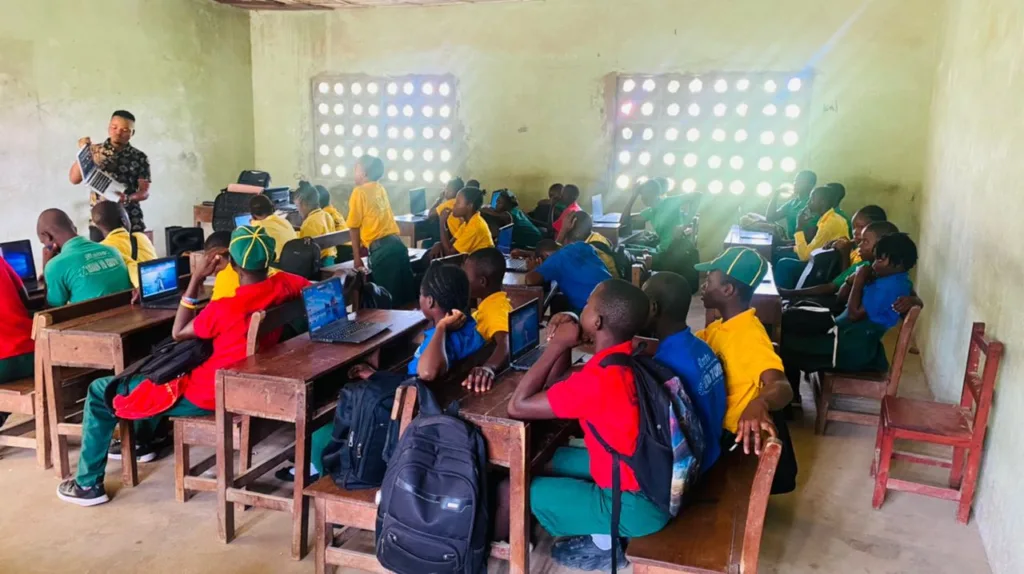
There’s a moment that repeats itself eight times across Bo. A student walks into a classroom, sees a computer for the first time in their life, and something shifts.
Maybe their hands hesitate before touching the keyboard. Maybe they’re afraid they’ll break it. Maybe they’ve watched people use computers their whole lives and thought it was something that happened to other people, in other places. And now they’re here, and it’s their turn.
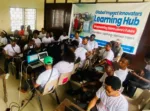
This is what’s happening right now in eight schools across Bo: 368 young people are discovering that a computer isn’t magic. It’s a tool. And they can learn to use it.
The Starting Point: Never
Most students in these eight schools have never touched a computer. Not once. They’ve seen them—maybe at an internet café in town, maybe on a phone, maybe in someone’s office. But the experience of actually putting their hands on a keyboard, clicking a mouse, watching the screen respond to their actions? That’s new.
For some students, this is the first time they’ve realized this was even possible. That someone like them—from their village, their school, their economic reality—could learn this.
Think about what that means. In a world where so much information, so much opportunity, so much communication happens through screens, these 368 young people were locked out. Not by lack of ability. By lack of access.
Until now.
Starting From Zero, Building Something Real
The training isn’t flashy. No one’s learning to code. No one’s becoming a programmer in eight weeks. But what they are learning changes everything:
How does a computer actually work? What are all these buttons and screens? How do you move the mouse and make it do what you want? How do you create an email address—your own identity on the internet? How do you search for information when you need it, instead of waiting for someone else to tell you? How do you create a presentation, organize your thoughts in a document, share your work with others?
These are the basics. And for students who’ve never had these skills, they’re revolutionary.
Imagine being a teenager and suddenly understanding how to find information on any topic in minutes instead of hours. Imagine being able to write a document, format it, print it, share it. Imagine having an email address—your own digital identity in a connected world.
That’s what 368 students are experiencing right now.
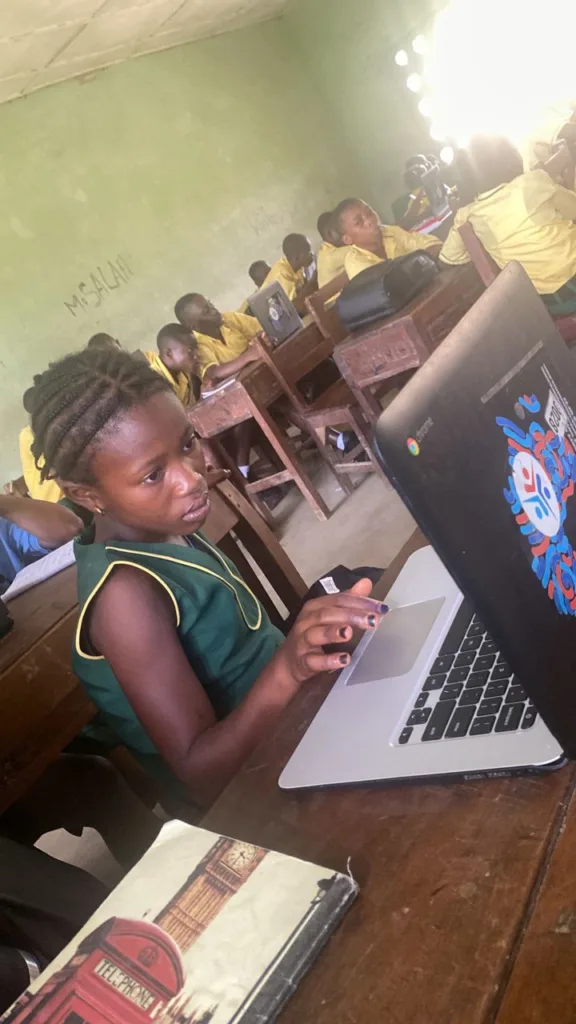
The Courage It Takes
Let’s be honest about what it takes to be a student in this program. You’re admitting you don’t know something. You’re sitting in front of a machine that feels intimidating. You’re trying things that might not work. You’re potentially making mistakes in front of peers.
For a teenager, that’s vulnerable. For a teenager in a community where they might be told their options are limited, where they’ve already internalized the idea that certain things aren’t “for people like us,” it’s especially brave.
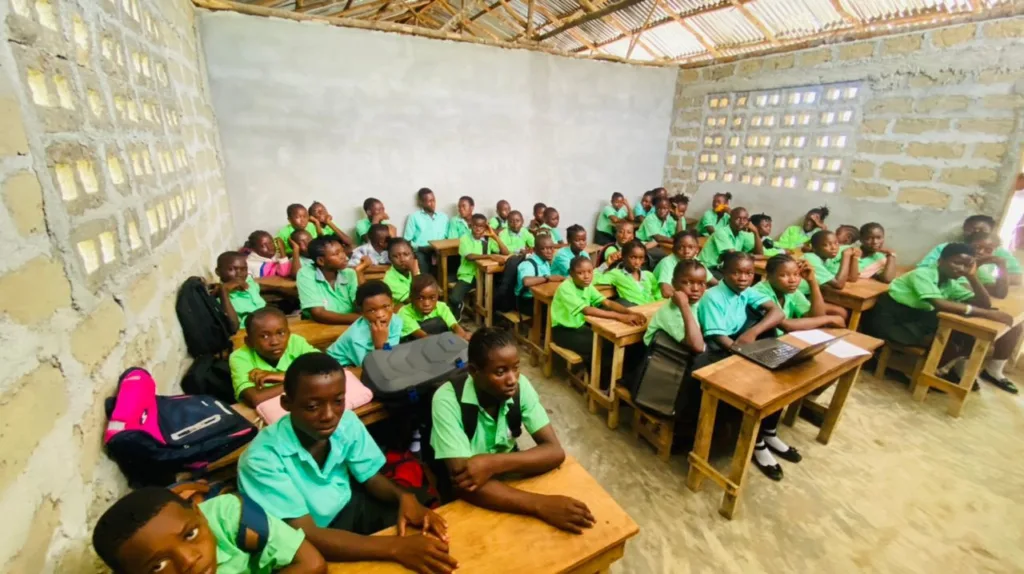
But 46 students from each of eight schools showed up anyway. They said yes to learning something completely foreign. They’re doing the hard work of closing a gap that no one else could close for them.
One Teacher From Each School: The Translator
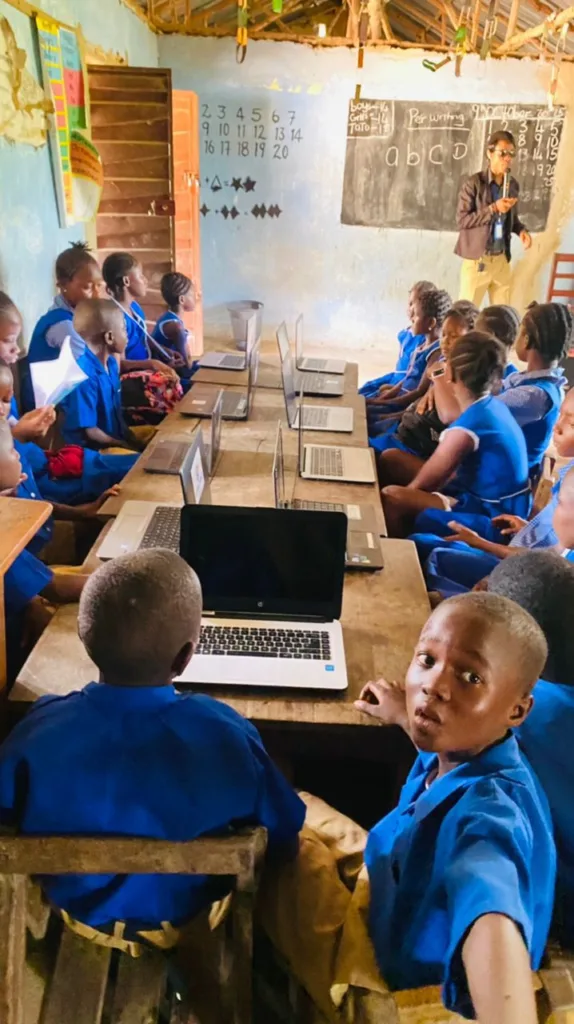
Here’s the piece that makes this sustainable: one teacher from each school is going through the same training. They’re touching a computer for maybe the first time themselves. They’re learning how to explain it, how to troubleshoot, how to make it make sense.
That teacher becomes something irreplaceable. They’re not an external expert dropping in. They’re someone from the community who understands the barriers their students face, who can translate this new world into language that resonates, who can say: “I didn’t know this either. And now I do. So can you.”
When that teacher goes back to their school, they carry something invaluable: proof that people from Bo can master this. That learning doesn’t require leaving. That digital literacy isn’t something that happens somewhere else.
Why 46? Why Not More?
This is a pilot. Deliberately. Thoughtfully.
Forty-six students is enough to create real impact in a school. It’s enough to build a cohort that supports each other, to ensure genuine attention and mentorship, to understand what’s actually working and what needs adjusting. It’s enough to see results without overwhelming the infrastructure or resources.
But it’s also small enough to learn. What problems come up? Where do students struggle? What’s missing from the curriculum? What works beautifully and what falls flat?
Next year, the plan is to expand. To take what was learned from these eight schools, these 368 students, these eight teachers, and open the door wider. But you don’t scale something you haven’t understood first. You test it. You refine it. You make sure you’re building something that actually works.
That’s what this is.
The Real Barrier That’s Being Broken
This isn’t about teenagers being incapable. It’s about a gap in access that’s been closing off entire futures.
A student who can research independently can learn beyond their textbooks. A student who can create presentations can become a leader in their school. A student who understands how computers work can imagine a career that didn’t exist in their family’s vocabulary. A student who has an email address is connected to possibilities they couldn’t access before.
These skills sound basic to someone who’s grown up with computers. But for these 368 students, they’re a door opening to a world that was always there, just beyond reach.
What Happens After the Training Ends
In January, these students will return to their normal school lives. But they won’t be the same. They’ll be the ones who know how to use a computer. They’ll be the ones who can help classmates with research projects. They’ll be the ones who understand that the digital world isn’t closed to them.
And those eight teachers? They’ll be teaching not just the basics, but confidence. They’ll be models of continuous learning. They’ll be the answer to every student in their school who wonders: “Is this something I can learn?”
A Pilot That Changes Everything
From the outside, this might look simple. Eight schools. 46 students each. Basic computer skills. But look closer and you see something else: 368 young people who were locked out of the digital world, now holding the keys. Eight teachers becoming ambassadors for what’s possible. Eight schools becoming centers of digital literacy.
And next year, when you expand, you’ll do it knowing what works. You’ll do it with teachers who’ve already learned how to teach this. You’ll do it with confidence, not guessing.
That’s the difference between a program and a movement. A program might help 368 students. A movement, built on what you learn from those 368, changes a whole region.
To the eight schools in Bo: you trusted us with something precious—your students and your teachers. To the 368 students: you’re the brave ones who said yes to something completely new. Every time you click a mouse or send an email or search for information, you’re proving something true: this isn’t for other people. It’s for you. To the eight teachers: you’re not just learning a skill. You’re becoming the bridge between your communities and a world that was always there, waiting.
The door is open. And it’s only just beginning.
Read more about how we support youth and women in Africa through our entrepreneurship training programs.