The Day Bo Got Its Hands Dirty (December 16th) – Cleaning a Hospital, Painting a School, and Why Community Service Isn’t
Optional
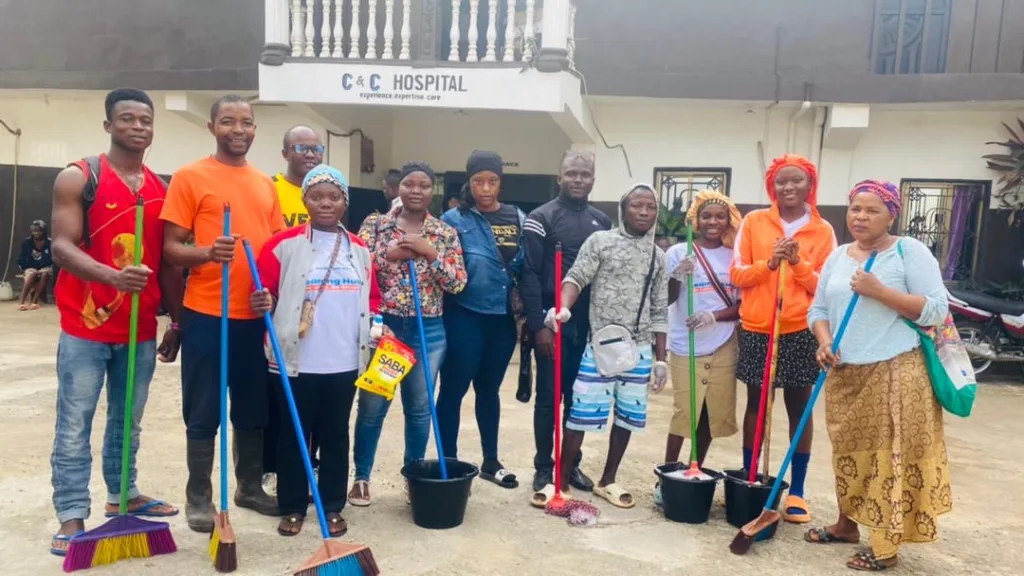
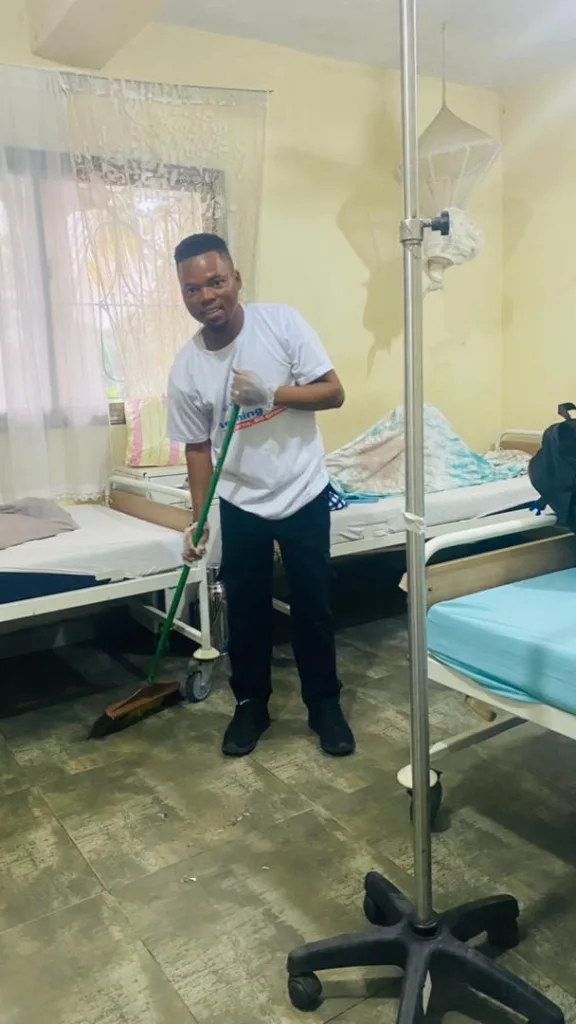
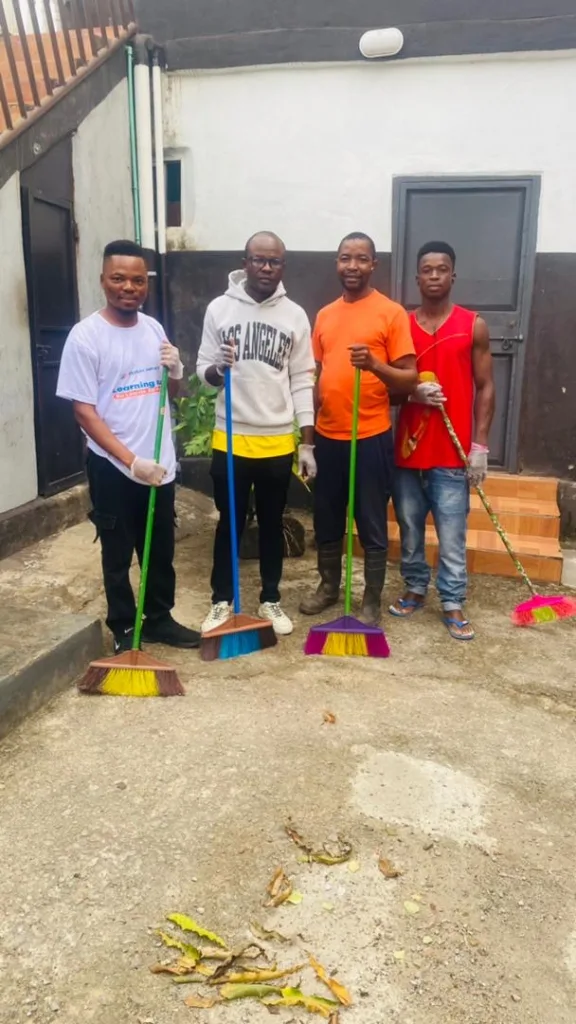
December 16th started at 8 a.m. at Care and Cure Hospital with mops, buckets, and a team that could have been resting but chose to serve instead.
Two days before graduation. Two days before the ceremony, the speeches, the celebration of forty entrepreneurs completing their training at the Bo Hub. Two days before these entrepreneurs showcase the four MVP businesses they’ve already launched with their micro-loans. Most programs would be in final prep mode—checking microphones, printing certificates, rehearsing speeches.
The Global Impact Innovators team in Bo had different plans: clean a hospital in the morning, visit four more schools to check on students’ progress, paint a school building in the afternoon, and show the community that this work has never been about us versus them. It’s always been about us together.
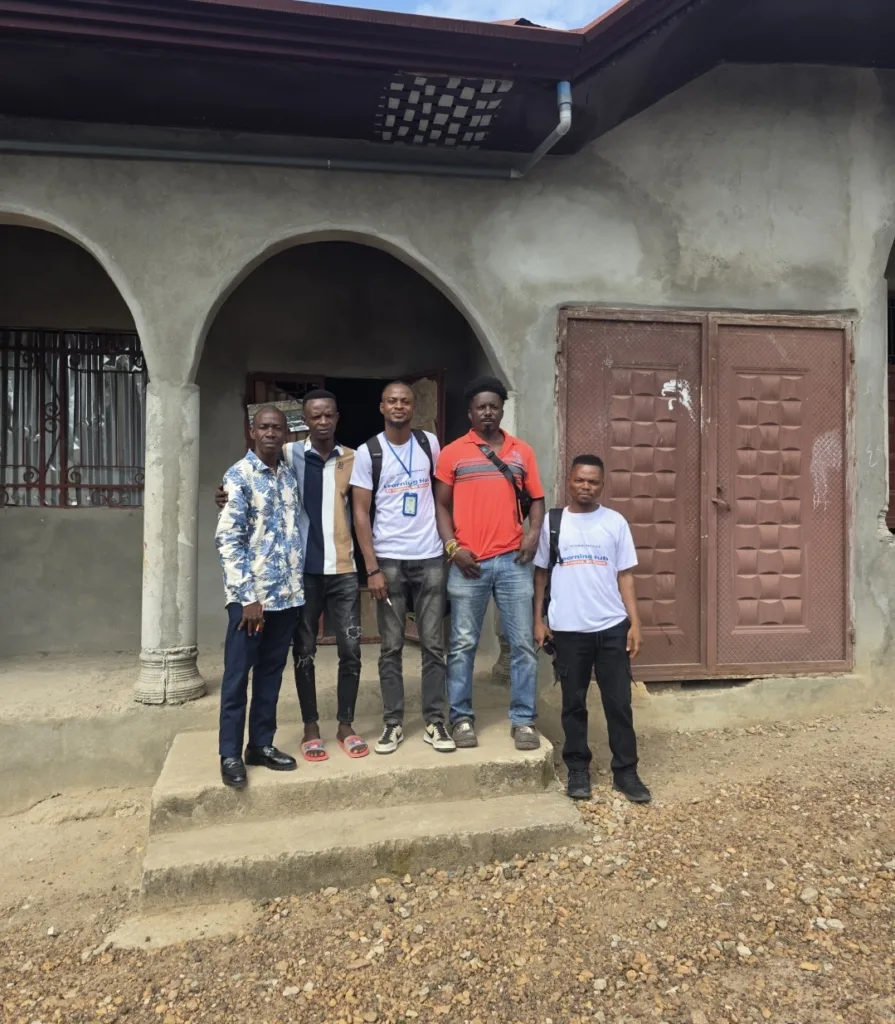
8:00 AM: Care and Cure Hospital Gets Help
Care and Cure Hospital does the best it can with what it has. The staff works long hours. The resources are stretched. And sometimes, the facilities themselves need attention that no one has time to give.
So the team showed up. Not with fanfare. Not with cameras looking for a good story. Just with gloves, cleaning supplies, and the willingness to do work that needed doing.
They scrubbed floors. They cleaned walls. They tackled spaces that don’t get attention in the daily rush of patient care. And for a few hours, Care and Cure got something it desperately needed: help from people who didn’t have to be there but chose to show up anyway.
Why This Matters More Than You Think
Community service can feel performative. The photo op. The viral post. The organization that swoops in to “help” for a day and then disappears.
But that’s not what this was. The team cleaning Care and Cure Hospital is the same team that’s been training forty entrepreneurs at the hub for five months—entrepreneurs who are already building real businesses with micro-loans. The same team that’s been visiting eight schools every week to train students in their own classrooms. The same team that met with school leaders and five government offices the day before. The same team that will be there next year when the program expands.
When you show up to clean a hospital, you’re saying something without words: We’re not above this work. We’re not separate from this community. We’re part of it.
That’s not a one-day statement. That’s a philosophy.
The Four Schools That Still Needed Visiting
After Care and Cure Hospital, the team had their weekly rounds to finish. Four more schools needed visits—the remaining half of the eight schools where they train 46 students and 1 teacher every week.
The route took them across Bo’s educational landscape:
- Bilal Islamic Secondary School in Mendewa Layout, Tikonko C/Dom—a faith-based institution serving its community with Islamic values and modern education.
- Al Ghadafi Comprehensive Academy School at 8 Baindu Street in Tengbewabu section—a comprehensive school preparing students across multiple subjects.
- Rosal International Academy—a school committed to international standards of education.
- Mountain of Grace Academy at 6 Momoh Street in Mendewa—a school whose name speaks to its aspirations for lifting students higher.
Four different schools. Four different philosophies. Four different communities. And i each one, the team checked in on the 46 students and 1 teacher who’ve been going through the program.
If December 15th showed demand for expansion, December 16th confirmed it. Same feedback. Same gratitude. Same plea: Let more students participate. Train our teachers. Don’t let this be a one-time thing.
Eight schools visited over two days. Eight different contexts. Eight identical requests for more.
By midday, the pattern was undeniable. This wasn’t a successful pilot that might continue. This was a pilot that the community was demanding continue. Bo had decided what it wanted. The question wasn’t whether to expand. It was how to resource the expansion that Bo already decided it needed.
Afternoon: When Rosal International Academy Got a Makeover
After visiting schools all morning, the team could have called it a day. Instead, they returned to Rosal International Academy with a different purpose.
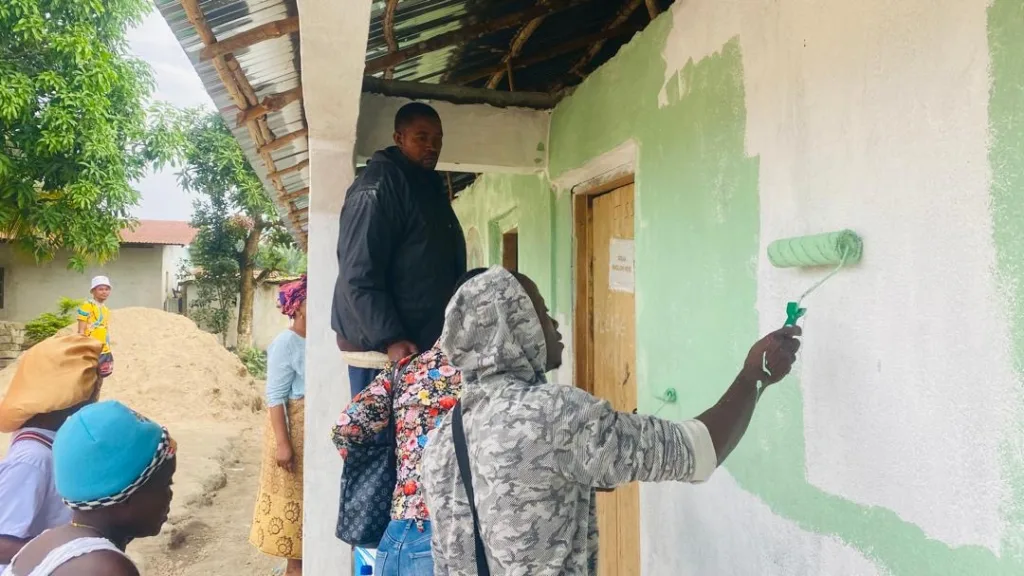
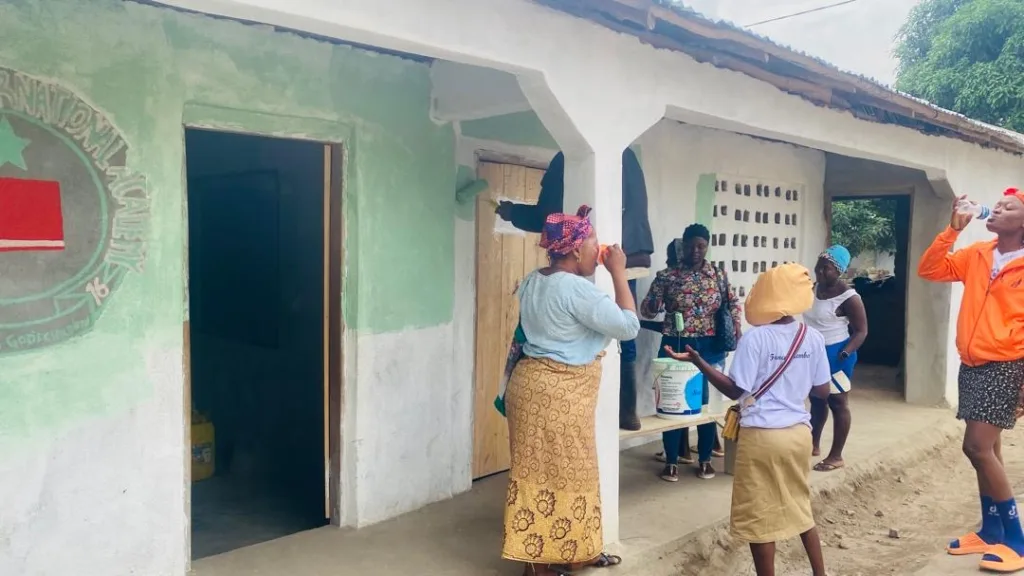
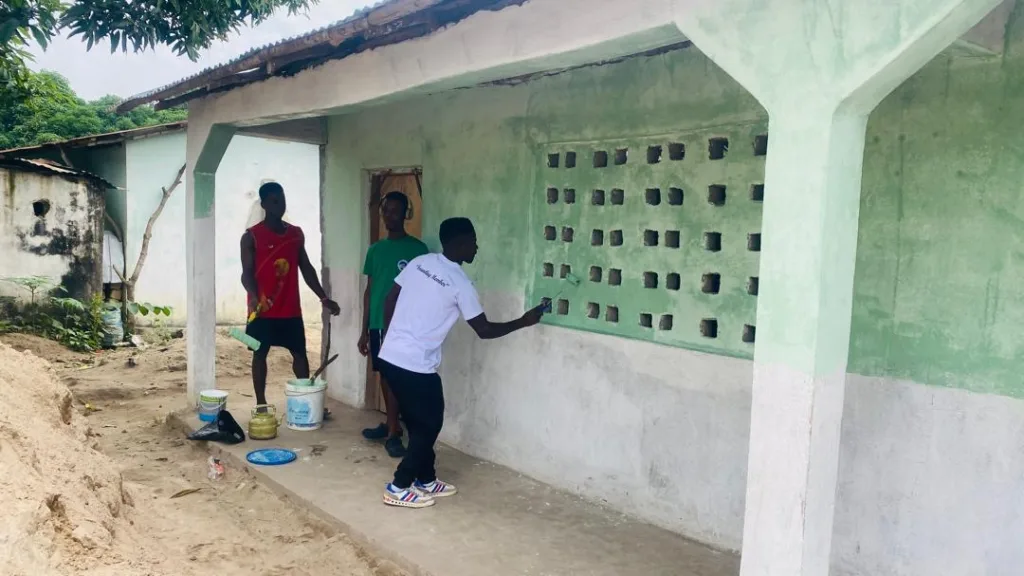
They showed up with paint, brushes, and energy. And they transformed a building.
The students had already left for holiday break—the school was quiet, empty of the usual energy of young voices and footsteps. But the Principal was there. And when the GII team arrived with paint and purpose, he didn’t just watch. He picked up a brush and joined them.
Think about that for a moment. A school principal, on what could have been a quiet day during holiday break, choosing to spend his afternoon painting his own school alongside a team that had already cleaned a hospital and visited four schools that morning.
That’s leadership. That’s ownership. That’s what happens when a program stops being something done to a community and becomes something the community does for itself.
Why Paint Matters
Paint might seem superficial. It’s not curriculum. It’s not training. It’s not digital literacy or entrepreneurship. But walk into a building that’s freshly painted—bright, cared for, intentional—and tell me it doesn’t change how you feel about being there.
When students return from holiday break, they’ll walk into Rosal International Academy and see something different. They’ll see walls that were transformed while they were away. They’ll see their principal’s investment—not just in words, but in sweat and paint-covered hands.
And they’ll understand: This place matters. The people who lead us believe it’s worth making beautiful.
The Faces That Glowed
Here’s what struck anyone watching the team that afternoon: they were having fun.
Cleaning Care and Cure Hospital at 8 a.m.? Hard work. Visiting four schools all morning—Bilal Islamic, Al Ghadafi, Rosal, Mountain of Grace—to check on 184 students and 4 teachers? Necessary but exhausting. Painting Rosal International Academy in the afternoon heat with the Principal working right alongside them? That could have felt like a chore.
But the team was laughing. Joking. Working together with an energy that doesn’t come from obligation. Their faces—and the Principal’s face—covered in paint, sweating in the heat, were glowing.
That’s what happens when you’re not just executing a program. When you’re building something you believe in. When the work isn’t a job—it’s a mission.
Jeremiah and his team didn’t treat December 16th as a to-do list. They treated it as an opportunity to show Bo what Global Impact Innovators actually stands for: we show up, we serve, we build together.
And the Principal of Rosal International Academy? He showed what real partnership looks like. Not standing on the sidelines directing others. Standing in the work, brush in hand, building alongside the team.
What Global Impact Innovators Is Really About
You can teach entrepreneurship from a distance. You can deliver digital literacy training once and never return. You can run a pilot, collect data, write a report, and move on.
But that’s not what this is.
Global Impact Innovators isn’t about parachuting in with solutions and leaving when the funding runs out. It’s about embedding in a community, understanding what it needs, and doing the work—all the work—that makes change sustainable.
That includes the glamorous stuff: training entrepreneurs at the hub who are now building real businesses, teaching digital skills in schools, graduation ceremonies, success stories. But it also includes the unglamorous stuff: cleaning hospitals at 8 a.m., painting schools in the afternoon heat, showing up week after week to eight different schools, doing whatever the community needs because you’re not a visitor—you’re a partner.
And when a school principal picks up a paintbrush and joins you? That’s when you know you’re not building a program. You’re building a movement.
The Team Bo Deserves
Five months ago, when this pilot started, Jeremiah and his team could have treated it like a job. Train the 40 entrepreneurs at the hub. Visit the eight schools once a week. Check the boxes. Move on.
Instead, they made it theirs. They pushed the program to succeed not because someone was watching but because Bo deserved their best. They built relationships with school leaders at UMC, Kakua, Aladura, Bo Center For Technical Studies, Bilal Islamic, Al Ghadafi, Rosal, and Mountain of Grace. They earned trust from 368 students
and 8 teachers by showing up every week. They got government officials to pay attention. They became the kind of team that a community rallies around.
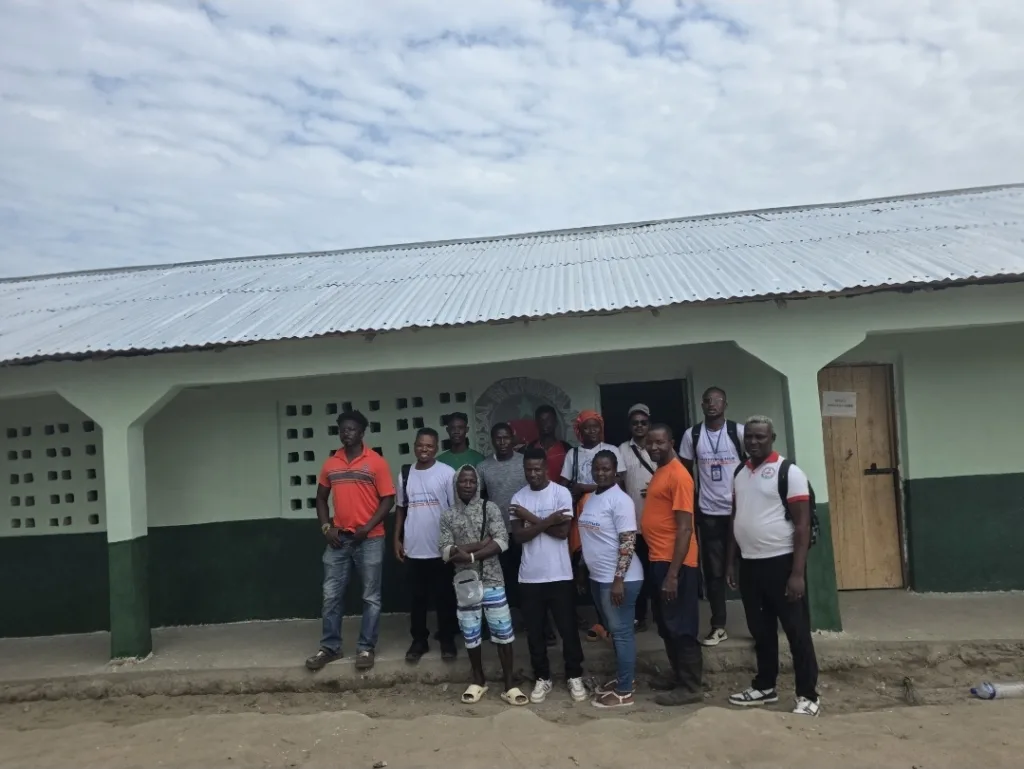
And on December 16th, covered in hospital grime and school paint, working alongside the Principal of Rosal International Academy, they showed why this program succeeded: they care.
Not in a corporate, buzzword way. In the way that means you show up at 8 a.m. to clean Care and Cure. In the way that means you visit four schools to check on students’ progress even when you’re exhausted. In the way that means you’re still working at 5 p.m. painting Rosal International Academy—not because anyone’s watching, but because it matters. In the way that means you’re willing to do whatever it takes to make Bo better.
And when a principal sees that kind of commitment and joins in? That’s when you know the work is real.
One Day Until the Fun
Tomorrow is December 17th. The day before graduation. The day before forty entrepreneurs walk across a stage at the Bo Hub and showcase the four businesses they’ve launched.
But tomorrow isn’t about work. Tomorrow is about joy.
Tomorrow, the team plays football.
Read more about how we support youth and women in Africa through our entrepreneurship training programs.